Electric Milk Frother or Handheld Frother: The Quick Answer
If you froth milk daily and want consistent, café-quality results with one-touch operation, an automatic electric milk frother is the better investment—it heats and froths milk simultaneously, requires no manual effort, and typically produces more stable, longer-lasting foam. If you froth occasionally, travel often, or want the cheapest possible entry point, a handheld electric milk frother (essentially a battery-powered electric coffee whisk) is the more practical choice, usually costing $8–$20 compared to $25–$80 for a full automatic unit.
The right choice ultimately comes down to frequency of use, desired foam quality, and how much counter space and cleanup effort you're willing to commit to. The comparisons below break down exactly where each device excels and where it falls short.
What Is an Electric Milk Frother, Exactly?
The term "electric milk frother" actually covers two distinct categories of product, and confusing them is the most common mistake shoppers make.
Automatic Electric Milk Frothers
An automatic milk frother is a standalone countertop appliance with its own jug, internal whisk, and heating element. You pour milk into the jug, select a setting (hot foam, cold foam, or just heating), press a button, and the device handles everything else—agitating and optionally heating the milk to produce foam without any manual input.
Handheld Electric Milk Frothers (Electric Coffee Whisks)
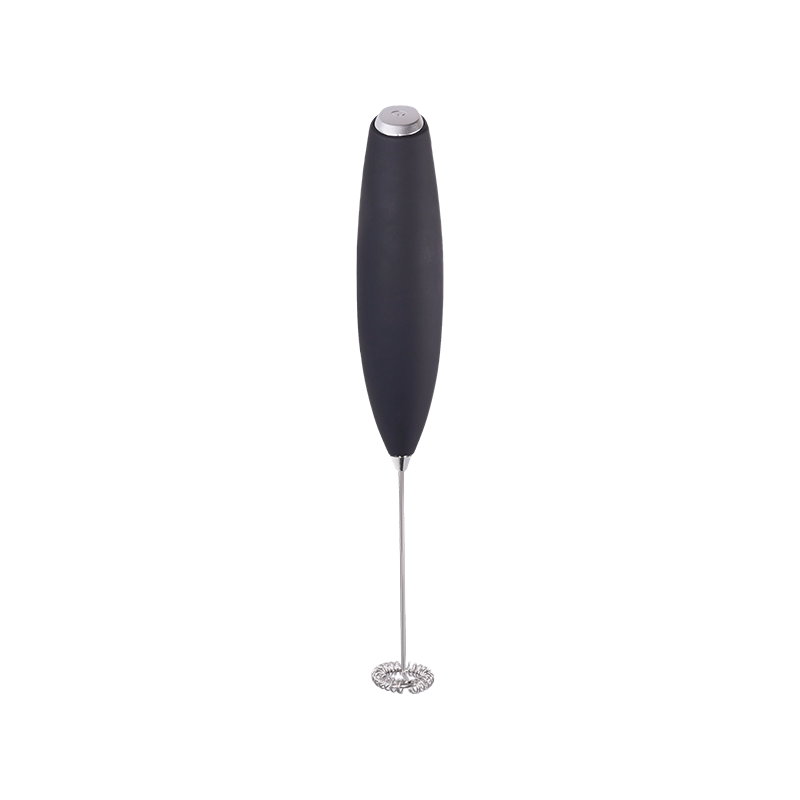
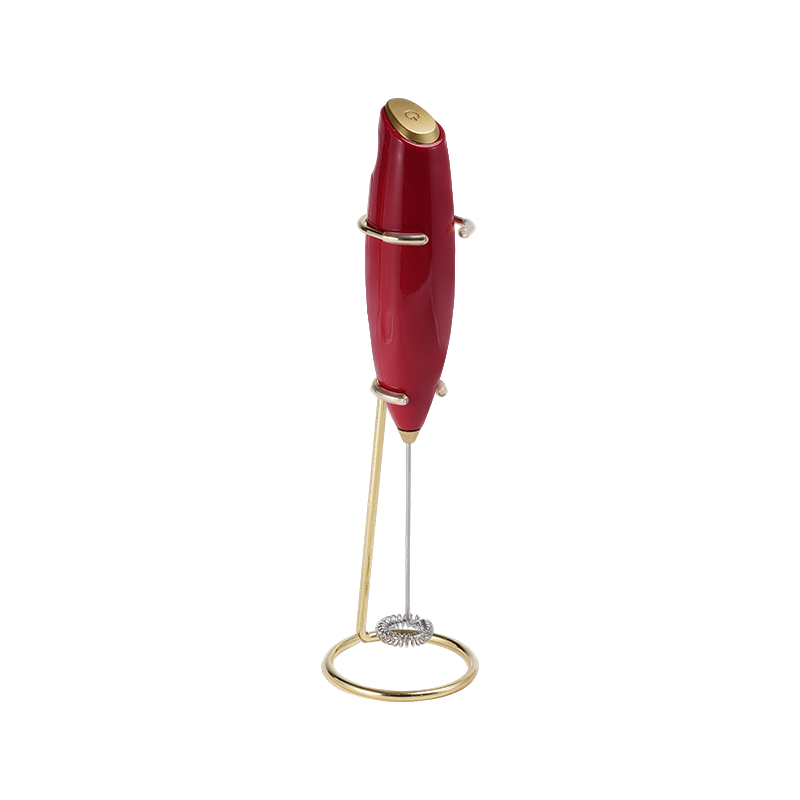
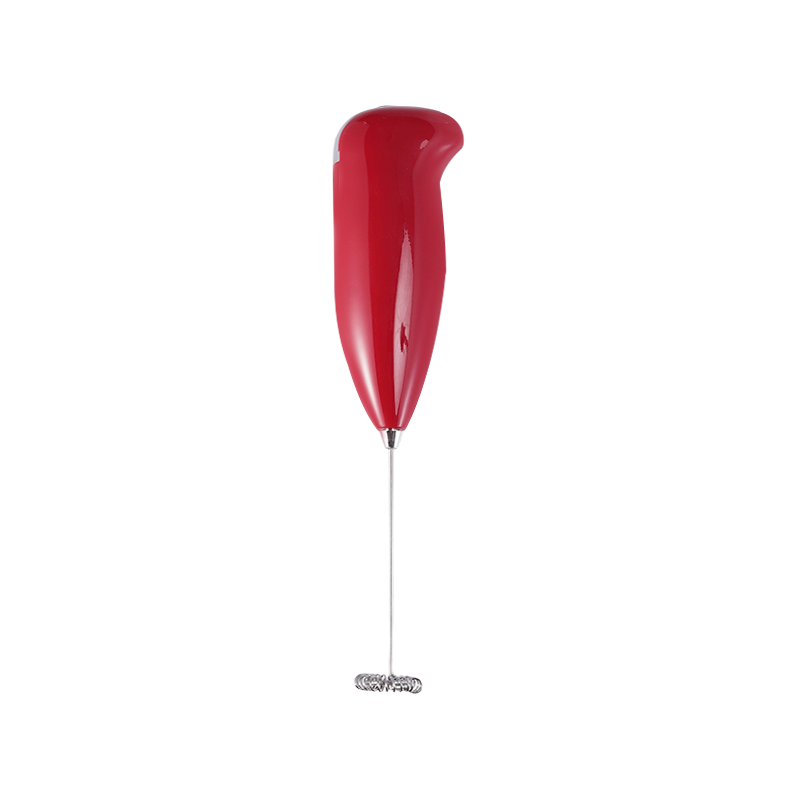
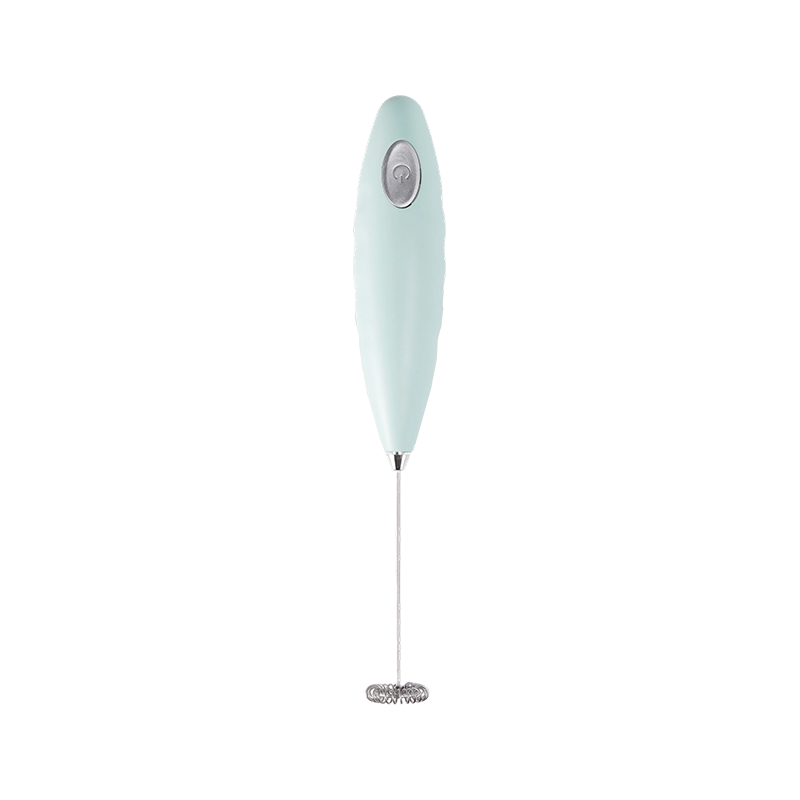
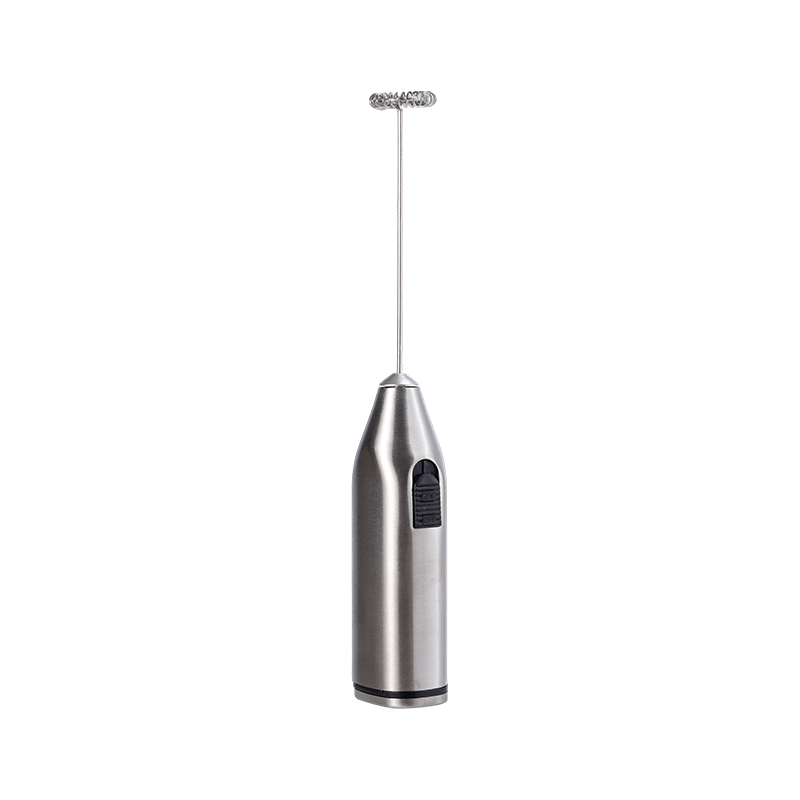
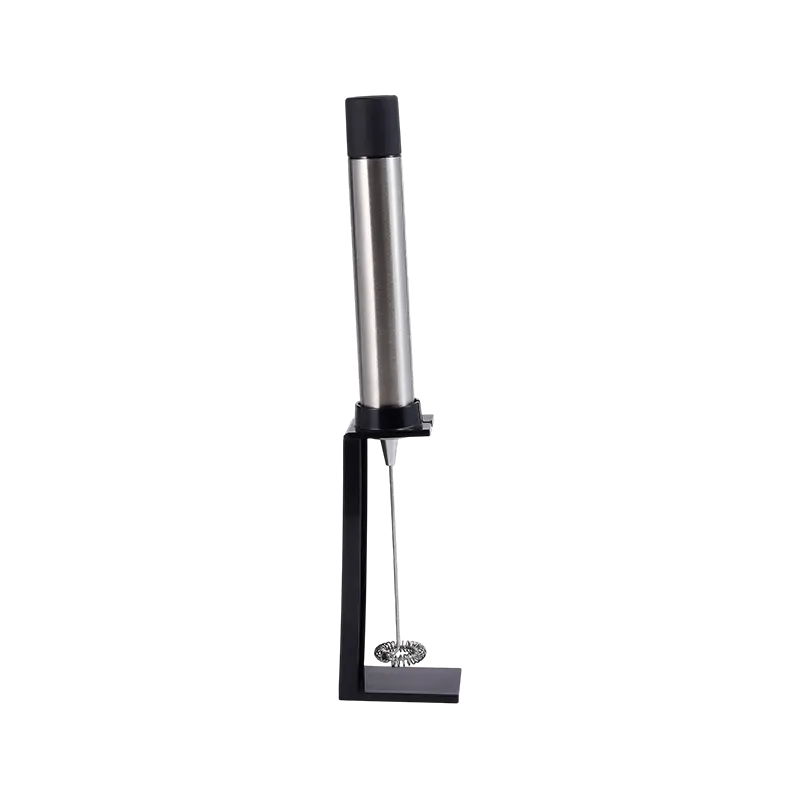
A handheld electric milk frother, sometimes marketed as an electric coffee whisk or battery operated milk frother, is a small wand-style device with a spinning whisk head at one end. You hold it manually inside a cup or jug of milk while it spins, and you control the angle, depth, and duration yourself.
Battery Power vs Plug-In Power
Most handheld units are battery powered milk frother devices (running on 2 AA batteries), while automatic frothers plug directly into a wall outlet. This distinction matters for portability: a battery powered milk frother can travel in a bag or be used at a desk, while an electric frother for coffee in the automatic category is tied to a fixed countertop location near a power outlet.
Foam Quality Comparison
Foam quality is usually the deciding factor for serious coffee drinkers, and the two device types perform very differently here.
Automatic Frother Foam Characteristics
An automatic electric frother uses a fixed internal whisk spinning at a controlled, consistent speed inside an enclosed jug, which produces uniform microfoam with small, stable bubbles. This foam typically holds its texture for 2–3 minutes, long enough to pour latte art or top a cappuccino without immediately collapsing.
Handheld Frother Foam Characteristics
A handheld electric coffee whisk introduces more air into the milk because the whisk head moves freely through open air at the surface, often producing larger, less stable bubbles. This foam is generally airier and collapses faster—often within 60–90 seconds—making it better suited for simple frothed milk on top of coffee rather than precision latte art.
Table 1: Foam Quality Comparison
| Factor |
Automatic Electric Frother |
Handheld Electric Frother |
| Foam Texture |
Fine, stable microfoam |
Larger, airier bubbles |
| Foam Stability |
2–3 minutes |
60–90 seconds |
| Consistency Between Uses |
High (automated process) |
Variable (depends on technique) |
| Suitable for Latte Art |
Yes |
Generally no |
Heating Capability: A Major Differentiator
One of the biggest functional differences is that most automatic units double as a milk heater frother, while nearly all handheld devices only froth—they don't heat.
Automatic Units With Heating Elements
A typical milk heater frother can warm milk to a target temperature (commonly around 65°C/150°F) while simultaneously frothing it, eliminating the need for a separate stovetop or microwave step. Many models also offer a cold-froth setting for iced drinks, giving you both hot and cold foam from a single appliance.
Handheld Units and the Heating Gap
A handheld electric milk frother has no heating element at all. If you want hot frothed milk, you need to heat the milk separately (microwave or stovetop) before frothing it with the wand. This adds an extra step and an extra dish to clean compared to an all-in-one automatic milk frother.
Speed and Ease of Use
Both device types are fast compared to manual frothing methods like a French press plunger, but they differ in hands-on effort required.
Automatic Frother Process
Pour milk, press a button, and walk away. Most automatic electric milk frothers complete a full hot-froth cycle in 60–90 seconds, and the appliance automatically stops once frothing or heating is complete—no monitoring required.
Handheld Frother Process
You hold the wand in the milk and manually move it up and down for roughly 15–30 seconds to incorporate air, then judge by eye when foam volume looks sufficient. This requires active attention throughout, and results can vary based on the angle and depth you hold the whisk at.
Price Comparison
Price is often the deciding factor for budget-conscious buyers, and the gap between categories is substantial.
Table 2: Typical Price Ranges by Frother Type
| Frother Type |
Typical Price Range |
| Handheld Electric Frother |
$8–$20 |
| Basic Automatic Frother (no heat) |
$20–$35 |
| Automatic Milk Heater Frother |
$30–$60 |
| Premium Multi-Function Automatic |
$60–$80+ |
For occasional users, a $10 battery operated milk frother delivers reasonable value, since it does the basic job without a significant investment. For daily users, the extra $20–$50 spent on an automatic unit often pays for itself in time saved and consistency gained over months of use.
Cleaning and Maintenance
Cleanup effort is another practical difference that affects day-to-day convenience.
Cleaning an Automatic Frother
Most automatic milk frother jugs have a non-stick interior coating and can be rinsed with warm water immediately after use. Many models feature a removable whisk disk that can be popped out and washed separately, and some jugs are dishwasher-safe (check manufacturer specs, since heating elements at the base typically mean the jug shouldn't be fully submerged).
Cleaning a Handheld Frother
A handheld electric milk frother is generally easier to clean—run the spinning whisk head briefly in a glass of warm water to rinse off residual milk, then wipe dry. Since there's no jug or heating chamber, there's less surface area for milk residue to build up or develop odor over time.
Storage and Portability
For kitchens with limited counter or cabinet space, size matters as much as performance.
- A handheld electric coffee whisk is typically 8–10 inches long and slim enough to fit in a drawer or even a travel bag, making it ideal for desks, dorms, or trips.
- An automatic electric milk frother requires permanent counter space (most jugs hold 4–20 oz of milk and stand 6–10 inches tall) since it's a self-contained appliance with a base unit.
- Battery powered milk frother wands need no cord or outlet, while automatic units must stay near a power source.
Which One Fits Your Lifestyle? A Decision Framework
Use the following scenarios to quickly identify which type of electric frother for coffee suits your situation best.
Choose an Automatic Electric Milk Frother If:
- You make lattes, cappuccinos, or frothed coffee drinks daily
- You want both hot and cold froth options from one device
- You have permanent counter space available
- Foam consistency and texture matter to you (e.g., for latte art)
Choose a Handheld Electric Frother If:
- You froth milk only occasionally, a few times a week or less
- You want the lowest possible upfront cost
- You travel frequently or have very limited storage space
- You're fine with manually heating milk before frothing it
What to Look for When Buying Either Type
Regardless of which category you choose, a few specific features separate reliable products from disappointing ones.
For Automatic Frothers
- Multiple settings (hot foam, cold foam, heat-only) for versatility across drink types
- Auto shut-off to prevent overheating or burning milk
- A jug capacity matching your typical serving size (4 oz for a single cappuccino, 10+ oz for multiple servings)
- Non-stick interior coating for easier cleanup
For Handheld Frothers
- Stainless steel whisk head for durability and easy cleaning versus plastic alternatives
- Variable speed settings, which give more control over foam texture
- A comfortable, non-slip grip for extended use
- Battery life rating—look for devices that specify expected uses per battery set
Final Takeaway
Both device types do the same fundamental job—introducing air into milk to create foam—but they serve different needs. An automatic electric milk frother is the better long-term choice for frequent coffee drinkers who want consistent, café-quality foam with built-in heating and minimal hands-on effort, while a handheld electric milk frother remains the smarter pick for occasional users, tight budgets, or anyone who needs a compact, portable option. If you're still unsure, consider your actual frothing frequency: anyone using their frother more than 4–5 times a week will likely find the automatic option's convenience and consistency worth the higher upfront cost, while lighter users can get reliable results from a simple battery powered milk frother at a fraction of the price.


 English
 Español
 Deutsch
 عربى
عربى 中文简体
中文简体



 Производители автоматических электрических вспенивателей молока (по индивидуальному заказу)